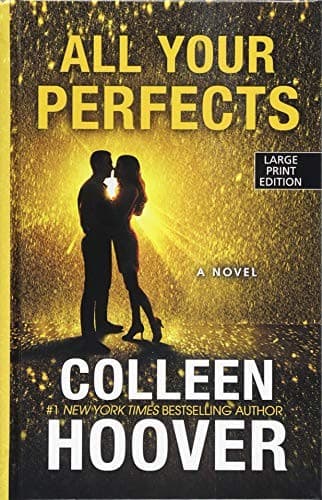
All Your Perfects
What is “All Your Perfects” about?
Quinn and Graham’s marriage appears perfect—until infertility, mistakes, and secrets begin to fracture every memory. The story alternates past and present, showing how love can break you and heal you all at once.
About This Book
In Colleen Hoover's "All Your Perfects," Quinn and Graham's seemingly perfect marriage faces profound challenges as they grapple with infertility and the emotional toll it takes on their relationship. The narrative alternates between their early days together, filled with passion and optimism, and the present, where unspoken grief and frustration create distance between them. Quinn's struggle with infertility leads her to withdraw emotionally and physically from Graham, while he remains desperate to connect and salvage their marriage.
The novel delves into the complexities of love, marriage, and the impact of unmet expectations. Through alternating timelines, Hoover contrasts the couple's initial deep connection with their current strained relationship, highlighting the tension between hope and despair. The story explores themes of communication, emotional vulnerability, and the healing power of love, as Quinn and Graham confront their individual insecurities and the challenges of sustaining a relationship over time.
Set in a contemporary American backdrop, the novel's mood is somber and introspective, capturing the raw and often painful realities of marriage. The alternating timelines create a compelling atmosphere that mirrors the emotional ups and downs of Quinn and Graham's journey, as they navigate the complexities of love and the weight of unmet expectations.
What Readers Say
Readers praise Hoover's emotional storytelling and authentic portrayal of marital struggles. Many commend the alternating timelines that deepen character development and engagement. Fans note the book's raw depiction of infertility's impact on relationships. Some criticize the pacing, feeling certain sections are overly detailed or slow. Content warning: deals with infertility and marital issues; may be emotionally intense for some readers.
Rating Distribution
Based on 41 Open Library ratings