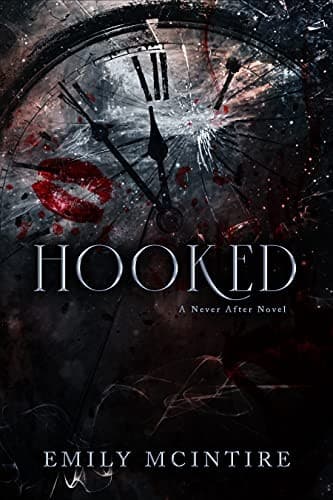
Hooked (Never After #1)
What is “Hooked (Never After #1)” about?
A dark retelling of Peter Pan: James becomes obsessed with Wendy, the sheltered daughter of his enemy. What begins as manipulation turns into something more dangerous when Wendy is drawn into his world. It’s gritty, provocative, and full of power play.
About This Book
In "Hooked," the first installment of Emily McIntire's "Never After" series, James "Hook" Barrie is a crime lord driven by a deep-seated vendetta against Peter Michaels. His plan to exact revenge takes a personal turn when he encounters Peter's sheltered daughter, Wendy, in his bar. Initially viewing her as a mere pawn, James's intentions become complicated as he finds himself drawn to Wendy's innocence and strength.
Wendy, seeking freedom from her overbearing father, is captivated by the enigmatic and dangerous James. Their intense and forbidden relationship unfolds against a backdrop of power struggles, betrayal, and the looming threat of Peter's wrath. As Wendy delves deeper into James's tumultuous world, she grapples with her growing feelings and the moral complexities of their connection.
The narrative is rich with tension, blending dark romance with suspenseful twists. McIntire's reimagining of the classic Peter Pan tale is gritty and provocative, exploring themes of revenge, power dynamics, and the blurred lines between hero and villain. The slow-burn romance between James and Wendy is charged with emotional depth, keeping readers on edge as the story unfolds.
What Readers Say
Readers praise the book's dark, addictive romance and unique take on the Peter Pan tale. Many commend the author's writing for its depth and emotional complexity, making the story compelling. Fans note the intense emotional impact, with the story being both dark and captivating. Some readers criticize the portrayal of the relationship dynamics, finding them problematic and unsettling. This book is recommended for fans of dark romance and fractured fairy tales, with content warnings for violence and dubious consent.
Rating Distribution
Based on 10 Open Library ratings
About the Author
Emily McIntire
4 books in library
Readers appreciate McIntire's ability to craft complex relationships and unpredictable narratives that keep them engaged from start to finish. Her novels are praised for their intense emotional arcs and morally ambiguous characters, offering a fresh and compelling take on classic tales.