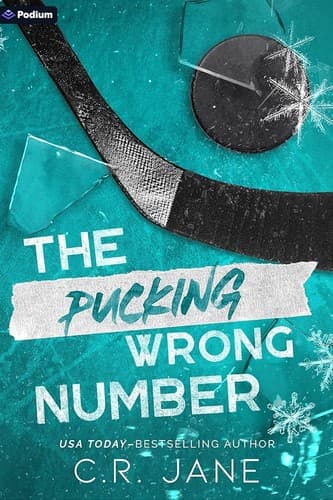
The Pucking Wrong Number (Pucking Wrong, #1)
by C.R. Jane
What is “The Pucking Wrong Number (Pucking Wrong, #1)” about?
Monroe, barely scraping by in a new city, answers one wrong text—and winds up pursuing the mysterious, obsessive star of the Dallas Knights, Lincoln Daniels. As their flirtatious banter ignites into an all-consuming, possessive romance, what started as a lifeline morphs into a dangerously addictive obsession.
About This Book
Monroe Bardot, a resilient young woman navigating life in Dallas, receives a text intended for someone else. Intrigued by the unexpected message, she engages in a series of flirtatious exchanges with the sender, unaware that he is Lincoln Daniels, the celebrated "Golden Boy" of the Dallas Knights hockey team. As their digital banter deepens, Monroe finds herself drawn to Lincoln's charm and intensity, leading to a complex and consuming relationship.
Lincoln's pursuit of Monroe becomes increasingly obsessive, blurring the lines between passion and control. Despite the mounting red flags, Monroe is captivated by the attention and affection she receives, questioning whether Lincoln's possessiveness is a manifestation of true love or a dangerous obsession. The narrative delves into themes of trust, vulnerability, and the fine line between desire and dominance, set against the backdrop of the high-stakes world of professional hockey.
The story unfolds with a dark and intense atmosphere, exploring the complexities of a relationship that challenges personal boundaries and self-identity. As Monroe and Lincoln's connection deepens, the tension between their desires and the consequences of their actions escalates, leading to a suspenseful and emotionally charged journey.
What Readers Say
Readers appreciate the book's dark, spicy, and enjoyable take on the stalker romance trope. Many praise the quick pacing and engaging writing style that keeps the story moving swiftly. Fans note the intense emotional dynamics and chemistry between the main characters. Some readers criticize the portrayal of unhealthy relationship dynamics and lack of character depth. Content warnings include themes of obsessive behavior, dubious consent, and psychological manipulation.